Best Practices for Maintaining a Commercial Roof

Updated: Jun 16
Maintaining a commercial roof is a critical task that often gets overlooked until problems arise. As someone who has worked closely with building maintenance teams and roofing professionals, I can confidently say that proactive care saves money, extends roof life, and prevents costly repairs. In this post, I will share practical, actionable advice on how to keep your commercial roof in top shape. Whether you manage a small retail space or a large industrial facility, these best practices will help you protect your investment.
Why Maintaining a Commercial Roof Matters
A commercial roof is more than just a cover over your building - it’s a shield against weather, temperature extremes, and environmental damage. Neglecting roof maintenance can lead to leaks, structural damage, and even business interruptions. Here are some key reasons why regular upkeep is essential:
Cost savings: Fixing minor issues early prevents expensive repairs or full roof replacement.
Energy efficiency: A well-maintained roof improves insulation, reducing heating and cooling costs.
Safety: Damaged roofs can pose hazards to employees and customers.
Property value: A sound roof maintains the building’s market value and curb appeal.
By understanding these benefits, you can prioritize roof care as part of your facility management strategy.

Best Practices for Maintaining a Commercial Roof
To keep your commercial roof performing well, follow these essential best practices:
Schedule Regular Inspections
Conduct roof inspections at least twice a year - ideally in spring and fall. Look for signs of wear such as cracks, blisters, ponding water, and damaged flashing. Inspections after severe weather events are also crucial.
Clean Roof Surfaces and Drainage Systems
Remove debris like leaves, dirt, and branches that can trap moisture and cause deterioration. Ensure gutters, downspouts, and drains are clear to prevent water buildup.
Address Repairs Promptly
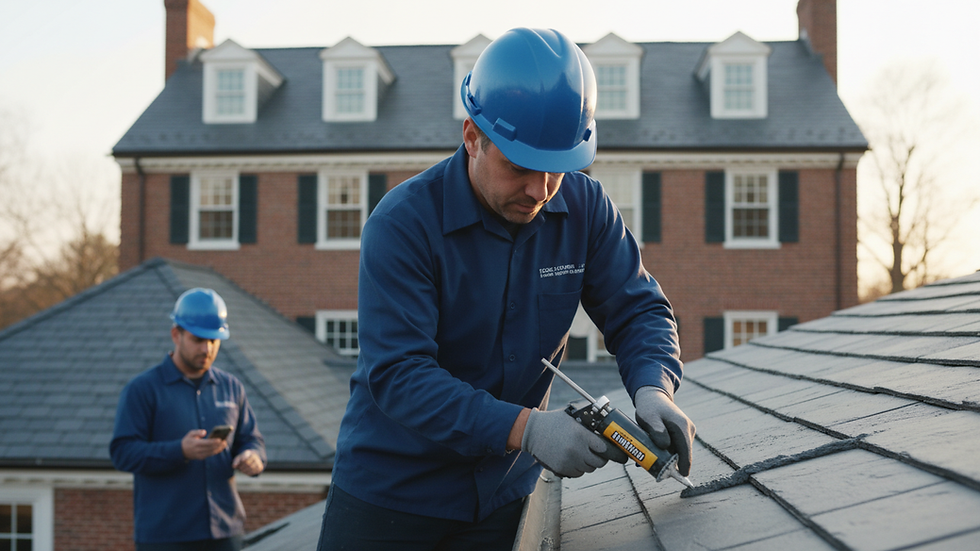
Small issues like punctures or loose seams should be repaired immediately to avoid water infiltration. Use professional roofing contractors for quality repairs.
Maintain Roof Coatings
Applying reflective roof coatings can protect the surface from UV damage and improve energy efficiency. Reapply coatings as recommended by the manufacturer.
Control Vegetation Growth
Moss and algae can damage roofing materials. Use appropriate treatments to prevent growth and remove existing vegetation carefully.
Document Maintenance Activities
Keep detailed records of inspections, repairs, and maintenance schedules. This documentation helps track roof condition and supports warranty claims.
How to Maintain a Commercial Roof?
Maintaining a commercial roof requires a systematic approach combining routine care and professional expertise. Here’s a step-by-step guide to help you manage this process effectively:
Step 1: Develop a Maintenance Plan
Create a maintenance schedule tailored to your roof type and local climate. Include inspection dates, cleaning routines, and planned repairs.
Step 2: Train Your Team
Ensure your maintenance staff understands roof safety protocols and can identify early signs of damage. Provide training or hire specialists when necessary.
Step 3: Use Quality Materials
When performing repairs or applying coatings, use materials compatible with your roof system. This ensures durability and prevents further issues.
Step 4: Monitor Weather Impact
Keep an eye on weather patterns that may affect your roof, such as heavy rain, snow, or extreme heat. After such events, conduct inspections promptly.
Step 5: Engage Professional Roofers
Schedule annual professional inspections and maintenance. Experts can spot hidden problems and recommend preventive measures.
By following these steps, you can extend the lifespan of your roof and avoid unexpected failures.
Common Commercial Roof Types and Their Maintenance Needs
Different commercial roofs require specific care. Understanding your roof type helps tailor maintenance efforts:
Built-Up Roofs (BUR): These multi-layered roofs need regular inspections for cracks and blisters. Keep the surface clean and repair any damaged areas quickly.
Single-Ply Membranes (TPO, EPDM, PVC): Check seams and flashing for leaks. Clean membranes with manufacturer-approved cleaners to avoid damage.
Metal Roofs: Inspect for rust, loose fasteners, and damaged panels. Repaint or reseal as needed to prevent corrosion.
Green Roofs: Maintain vegetation health and ensure proper drainage. Remove weeds and inspect waterproof membranes regularly.
Each roof type has unique vulnerabilities, so customize your maintenance plan accordingly.
Tips for Extending the Life of Your Commercial Roof
Beyond routine maintenance, here are some additional tips to maximize your roof’s longevity:
Limit Roof Traffic: Minimize foot traffic and use designated walkways to prevent damage.
Install Roof Protection: Use protective mats or pads under HVAC units and equipment.
Improve Insulation: Proper insulation reduces thermal stress on roofing materials.
Upgrade Drainage Systems: Efficient drainage prevents water pooling and structural damage.
Plan for Roof Replacement: Know your roof’s expected lifespan and budget for timely replacement.
By implementing these strategies, you can protect your roof investment and avoid costly surprises.
Taking Action on Commercial Roof Maintenance
If you want to keep your commercial roof in excellent condition, start by scheduling a thorough inspection today. Remember, commercial roof maintenance is not just about fixing problems but preventing them. With a proactive approach, you can save money, enhance safety, and ensure your building remains weatherproof for years to come.
Investing time and resources into your roof’s upkeep is a smart business decision. Don’t wait for leaks or damage to disrupt your operations. Use the best practices outlined here to create a maintenance routine that works for your facility. Your roof will thank you with years of reliable service.
Related Roofing Services
Protect your building with the right partner — explore our commercial roofing services, book a roof inspection, or get a free estimate.


Comments